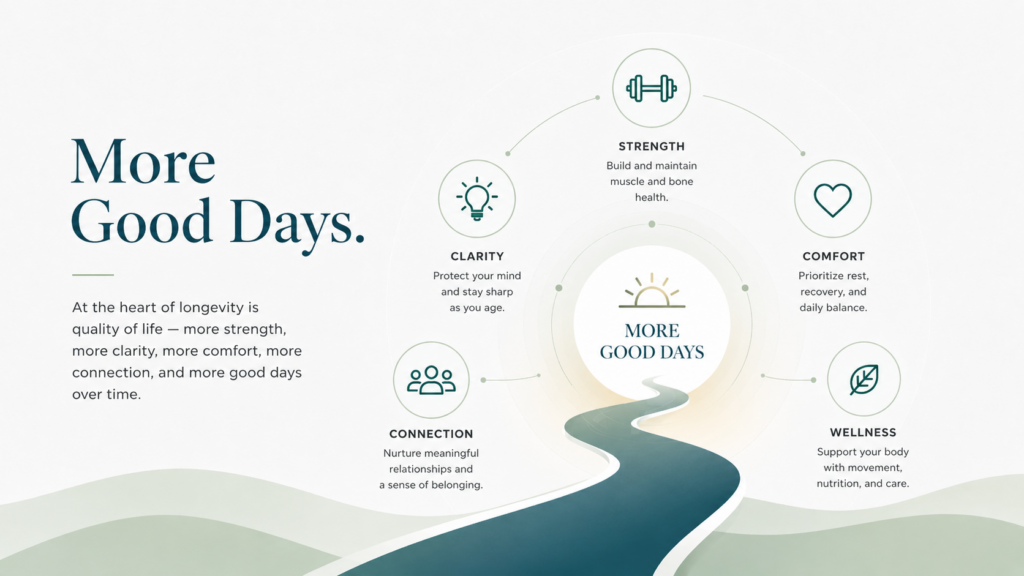
Longevity is not just about adding more years to life. It is about improving healthspan — the years lived with strength, clarity, independence, comfort, connection, and quality of life.
A longer life only matters if those years are supported by function, purpose, and wellbeing. That is why modern longevity is focused less on simply reaching a higher age and more on helping people stay active, capable, connected, and engaged for as long as possible.
At E.R.I.C., longevity means helping people and dogs build healthier lives through education, prevention, whole-health support, data, and Playbook tools that make it easier to recognize patterns and take action earlier.
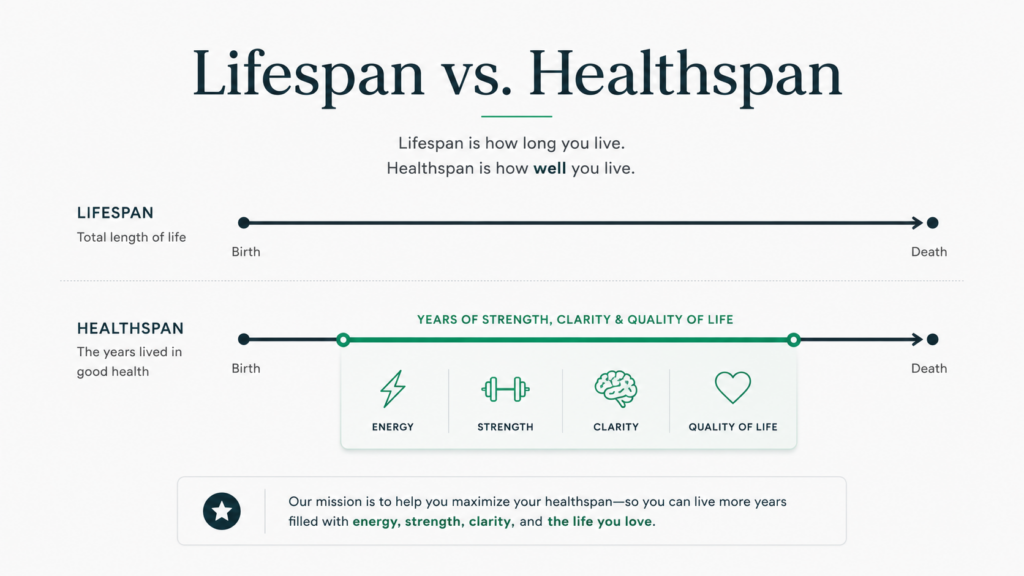
Lifespan is how long we live.
Healthspan is how well we live during those years.
A strong longevity approach works to extend lifespan while also protecting the years of life when a person can move well, think clearly, make decisions, maintain independence, build relationships, and participate meaningfully in family and community life.
Longevity is not about being completely free from every health challenge. It is about learning how to support the body, manage risks, respond to changes, and protect quality of life over time.
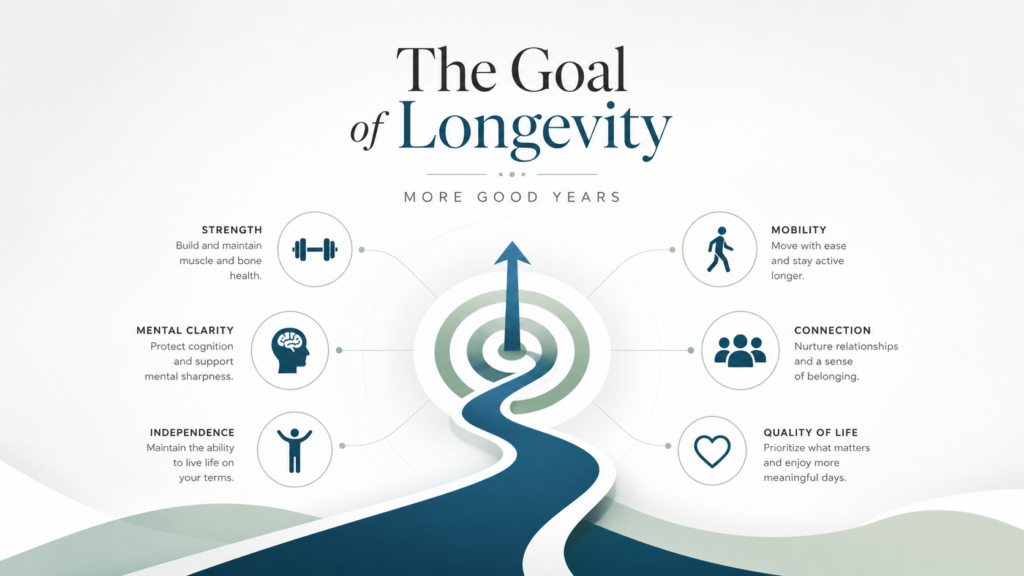
The goal of longevity is not just to live longer. The goal is to create more good years.
That means supporting:
Strength and mobility
Mental clarity
Emotional wellbeing
Healthy routines
Social connection
Purpose and meaning
Preventive care
Earlier action when changes appear
For families caring for themselves, their loved ones, or their dogs, longevity begins with understanding what supports daily wellbeing and what signals may need attention.
The strongest longevity strategies are not usually complicated. They are the fundamentals practiced consistently over time.
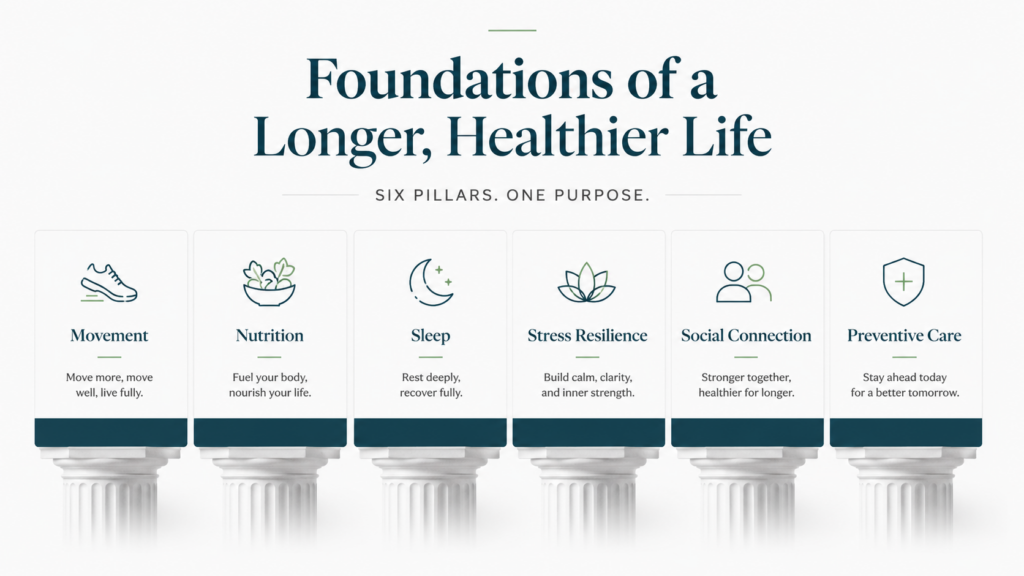
Movement, strength, nutrition, sleep, stress resilience, connection, preventive care, and regular monitoring all work together to support long-term health. These habits help protect physical function, support brain health, strengthen metabolic health, and reduce the risk of preventable decline.
Longevity is built through repeated choices — not one perfect decision.
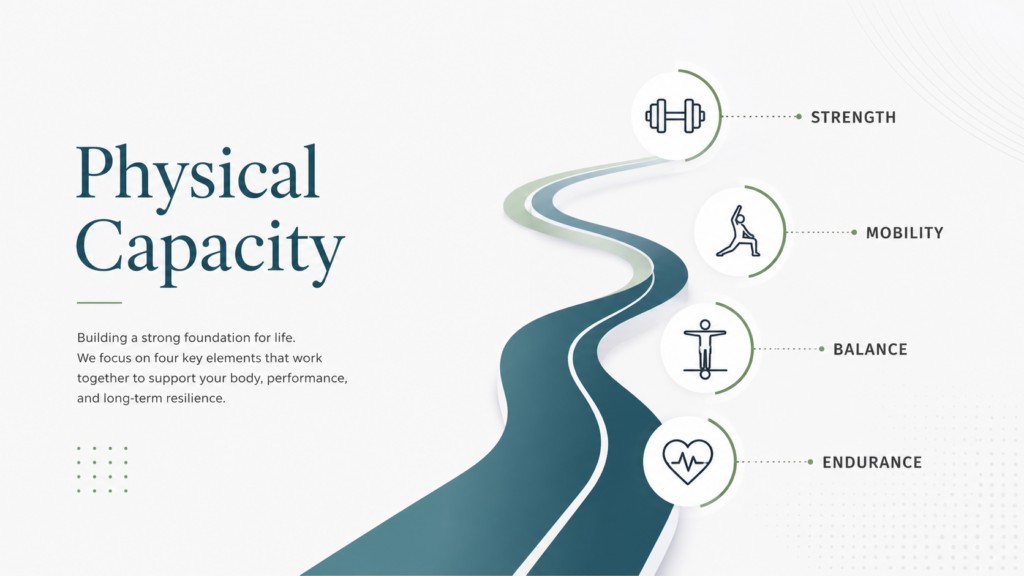
Physical capacity is one of the clearest markers of healthy aging. Strength, mobility, balance, and cardiovascular fitness help people stay independent and active.
For dogs, physical capacity also matters. Movement, healthy weight, mobility, and comfort can all influence quality of life as they age.
Supporting physical capacity may include regular movement, strength-building activities, stretching, mobility work, outdoor time, and early attention to changes in energy, gait, pain, or endurance.
The goal is to keep the body capable for as long as possible.
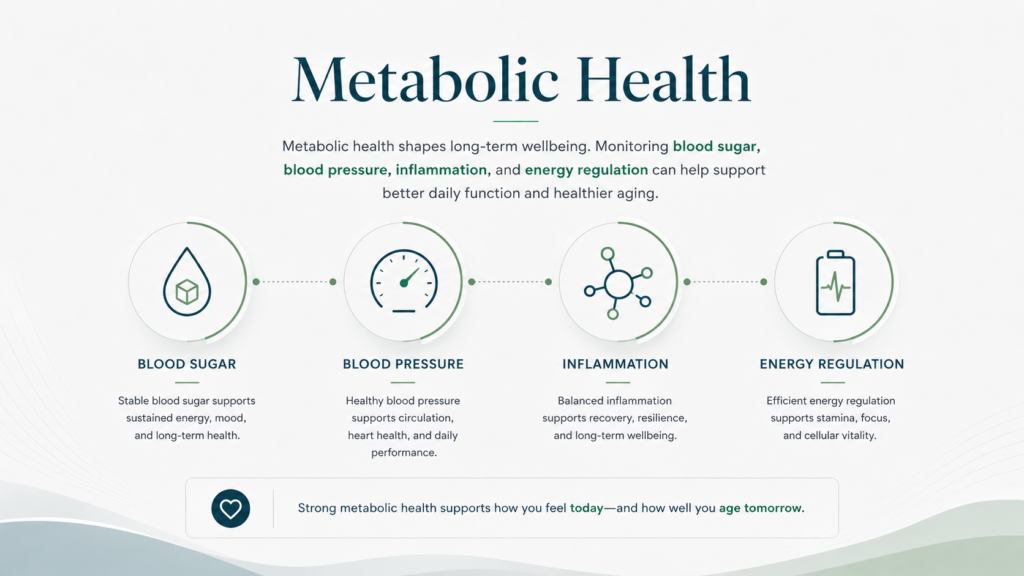
Metabolic health plays a major role in longevity. Blood sugar, blood pressure, cholesterol, body composition, inflammation, and energy regulation can all influence long-term outcomes.
For people, this may include routine labs, preventive care, nutrition, movement, sleep, and conversations with medical professionals.
For dogs, metabolic health may involve weight management, nutrition, activity, routine veterinary care, and monitoring changes in appetite, thirst, energy, or behavior.
A longevity mindset pays attention to these patterns before they become harder to manage.
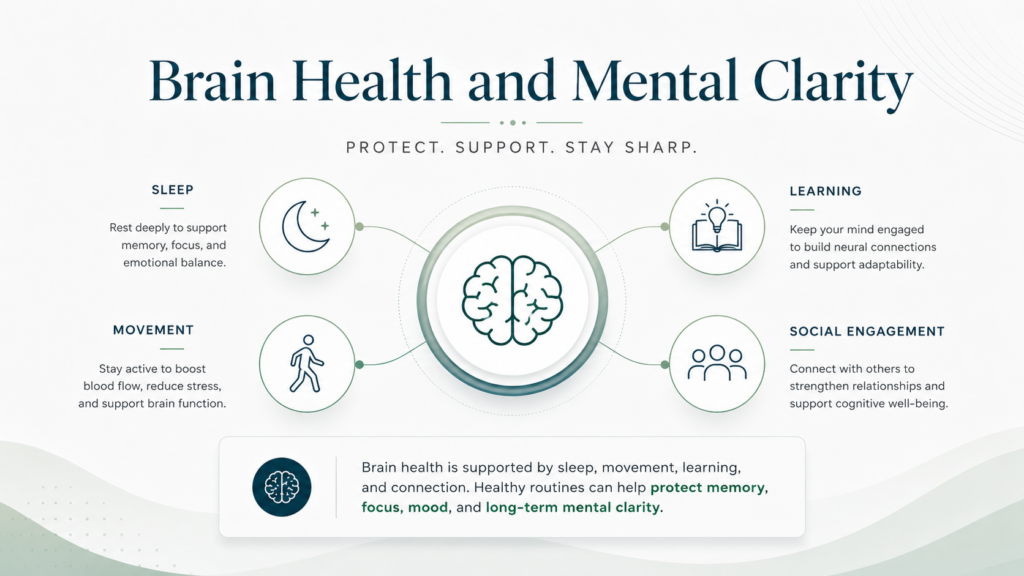
Longevity also includes the brain.
Cognitive health is supported by movement, sleep, cardiovascular health, social connection, learning, purpose, and emotional wellbeing. A longer life should also support the ability to think clearly, make decisions, stay engaged, and continue learning.
For dogs, brain health may show up through behavior, engagement, routine, responsiveness, sleep patterns, and interaction with the family.
When families pay attention to changes in mood, memory, behavior, alertness, or daily function, they can respond sooner and seek guidance when needed.
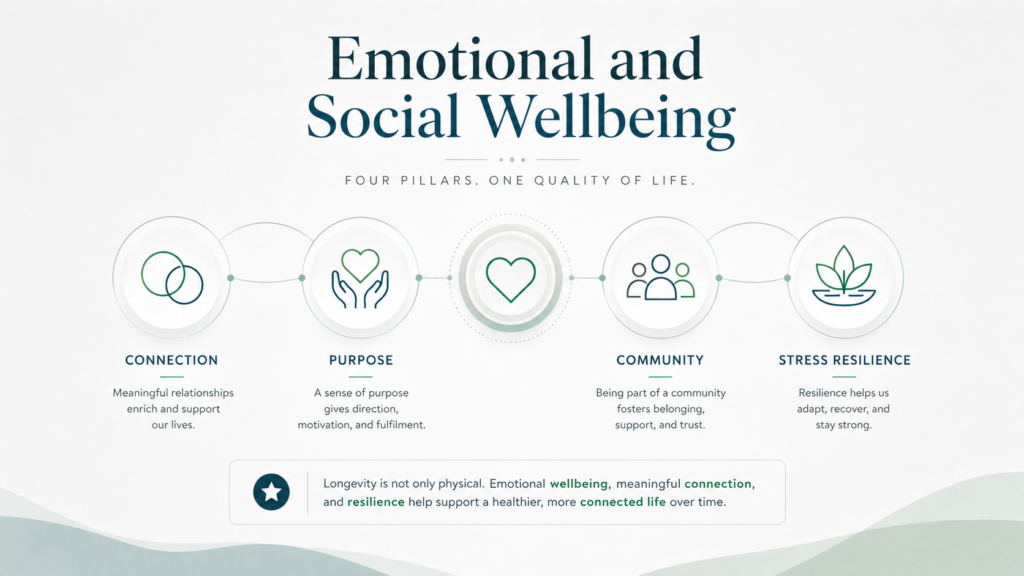
Longevity is not only biological. It is also emotional and social.
Connection, purpose, stress resilience, community, and support all shape quality of life. People are healthier when they feel connected, supported, and needed. Dogs also thrive with routine, companionship, enrichment, comfort, and a secure environment.
At E.R.I.C., longevity includes the whole family. It is about building healthier lives that support both physical wellbeing and meaningful connection.
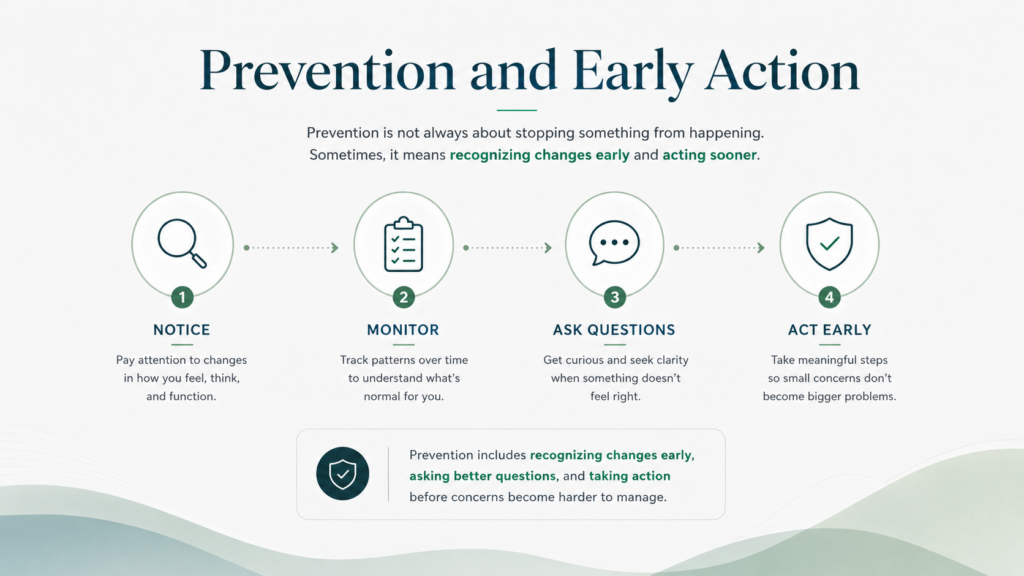
Prevention is a major part of longevity, but prevention does not always mean stopping a condition before it starts. Sometimes it means recognizing a change earlier, asking better questions, and taking action before a concern progresses.
Earlier action can reduce delays, support better decisions, and protect quality of life.
That might mean scheduling a screening, following up on a symptom, tracking a change in behavior, asking for lab work, speaking with a veterinarian, or seeking another opinion when something does not feel right.
Longevity improves when families are equipped to respond earlier instead of waiting until something becomes urgent.
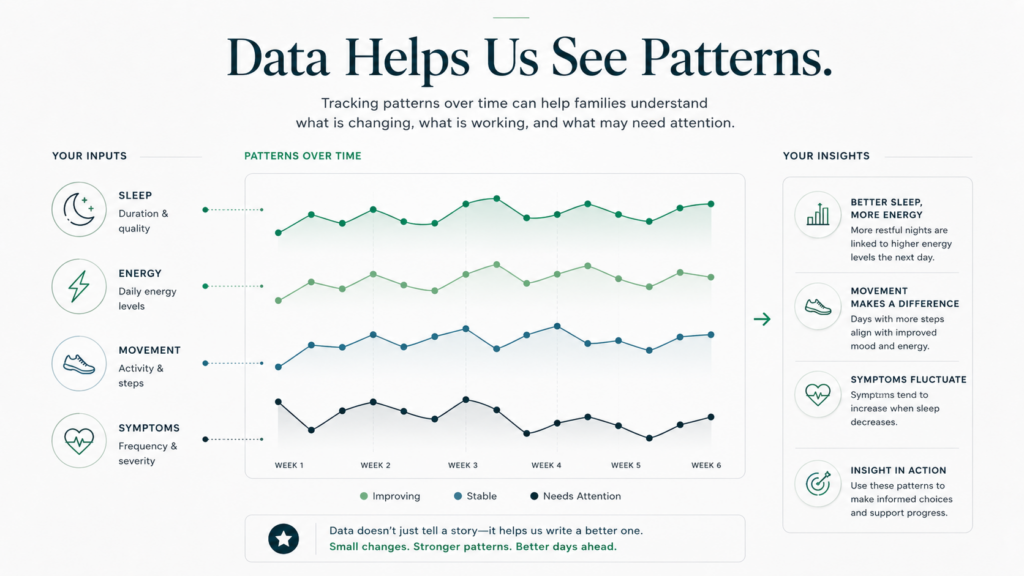
One of the most powerful tools in longevity is pattern recognition.
Changes often happen gradually. Tracking information over time can help families understand what is normal, what is changing, and what may need attention.
Data can include symptoms, energy, sleep, appetite, movement, mood, pain, weight, lab values, treatment response, quality of life, or daily routines.
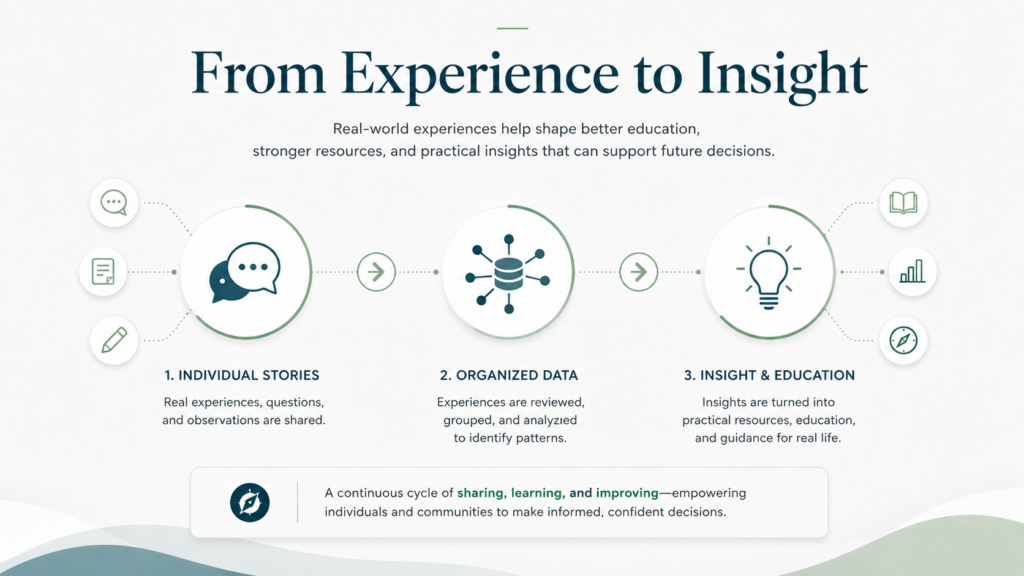
When real-world experiences are collected and organized, they can help identify patterns, strengthen education, and guide better questions.
Every lived experience has value.
At E.R.I.C., reported experiences help shape practical resources that are built from both real-world data and research. This approach helps turn individual stories into broader insights that can support future education, Playbooks, and decision-making tools.
The goal is not to replace professional care. The goal is to help people and families become more informed, more prepared, and more confident when working with medical and veterinary professionals.
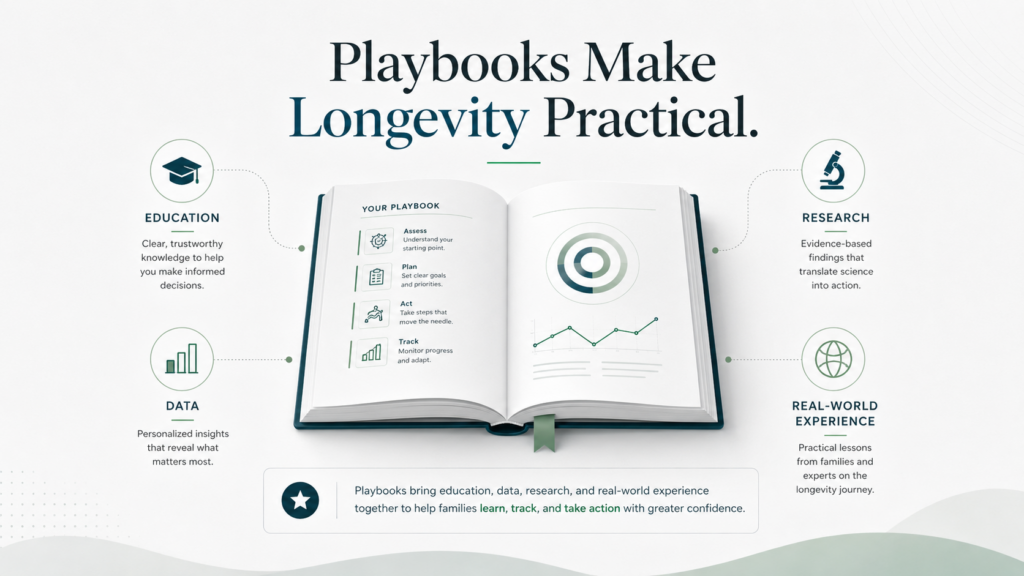
Longevity becomes more useful when it is organized into a system families can understand and use.
E.R.I.C. uses the Playbook model to bring together education, research, data, and real-world experience. This helps families move beyond scattered information and into a more practical path for learning, tracking, and taking action.
The E.R.I.C. Cancer Playbook supports people navigating cancer with practical education, patient-reported outcomes, research-informed resources, and tools that help them ask better questions.
The Longevity Playbook for Dogs supports families caring for their dogs with whole-health education, prevention-focused resources, and guidance designed to support a happier, healthier life.
Together, these Playbooks help make longevity something families can learn, monitor, and act on over time.
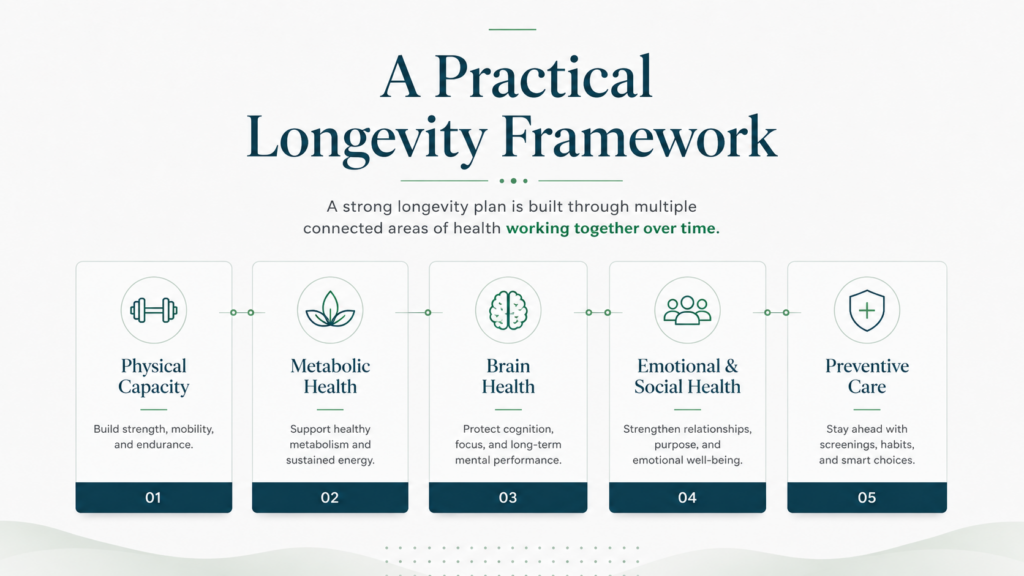
A strong longevity plan can be organized into five key areas: